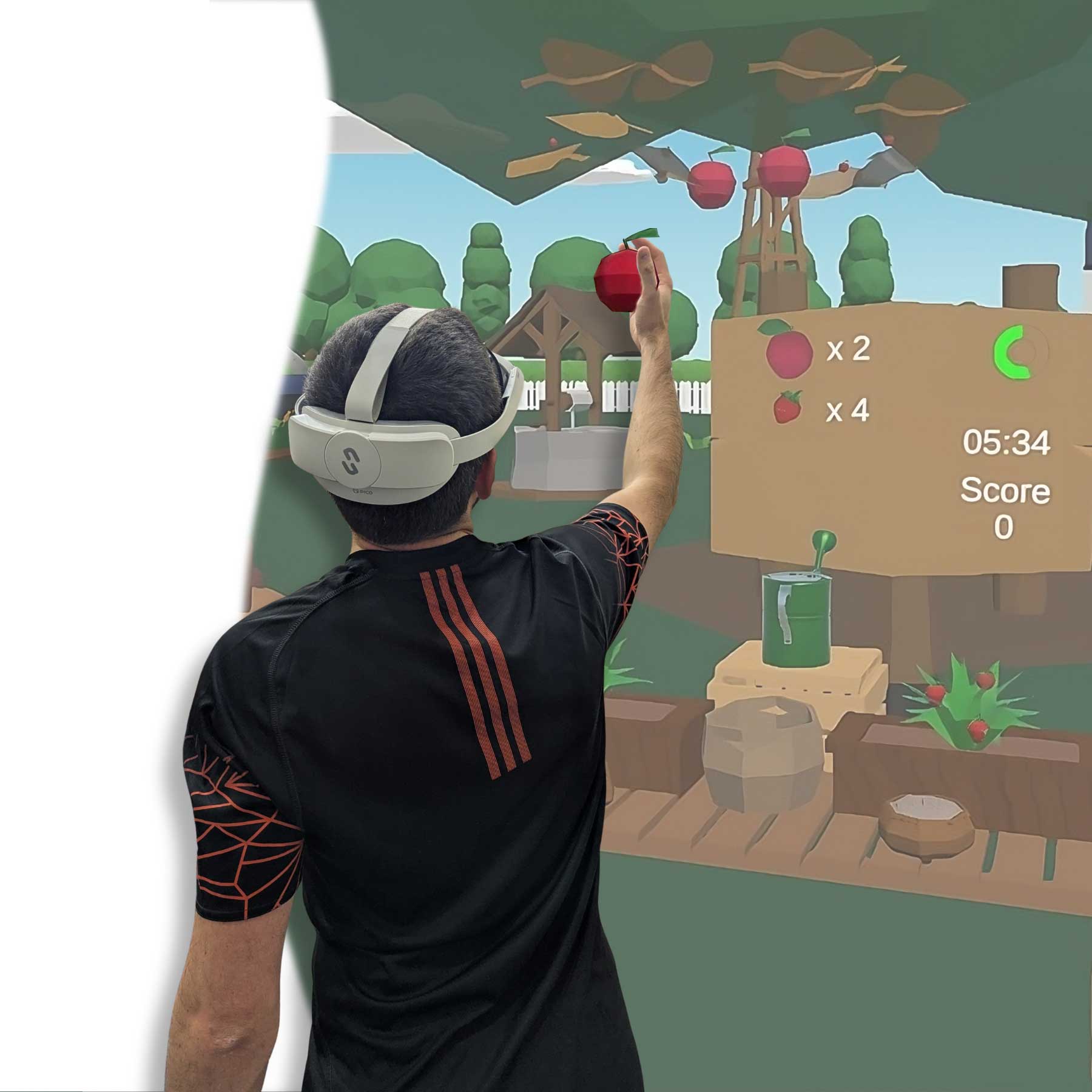
Post-stroke rehabilitation at home: H’ability in France 2030
H’ability is taking a new step in its commitment to ageing well. Through the H’ability Home project, the company is…


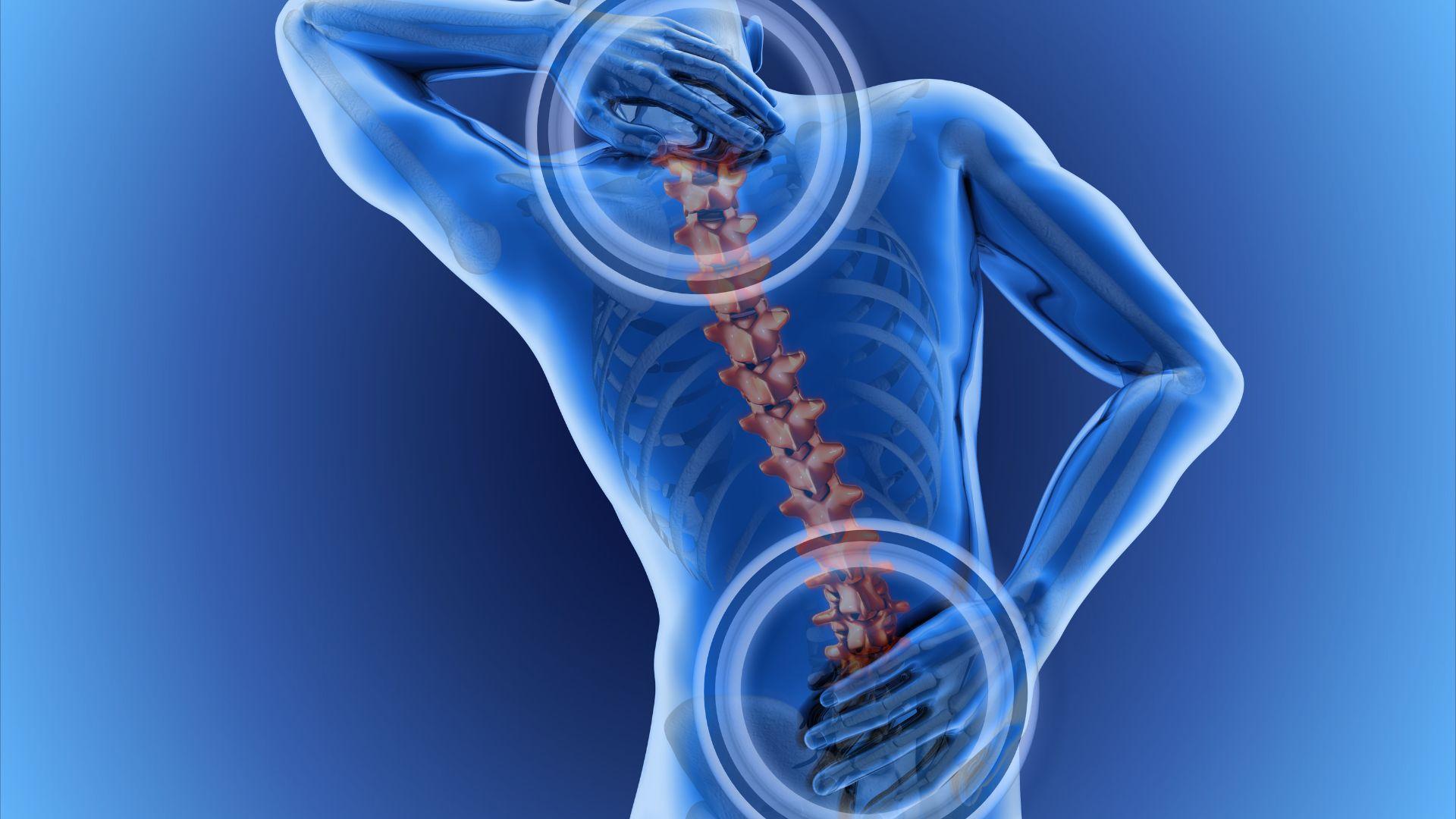
Learn how virtual reality is revolutionizing the treatment of kinesiophobia, offering innovative solutions to overcome the fear of movement.
Kinesiophobia, also known as fear of movement, is a condition in which a person experiences excessive anxiety or fear about the idea of moving or exercising. This phobia can be caused by a variety of factors, such as previous trauma, chronic pain, or negative experiences related to physical activity.
Kinesiophobia can have a significant impact on a person’s quality of life. It may limit their ability to perform daily tasks, participate in social activities, and maintain a healthy lifestyle. In addition, this fear can lead to deterioration in physical condition, loss of muscle strength, and decreased mobility.
It is important to understand the impacts of kinesiophobia on quality of life so that we can develop effective treatment strategies to help people who suffer from it.
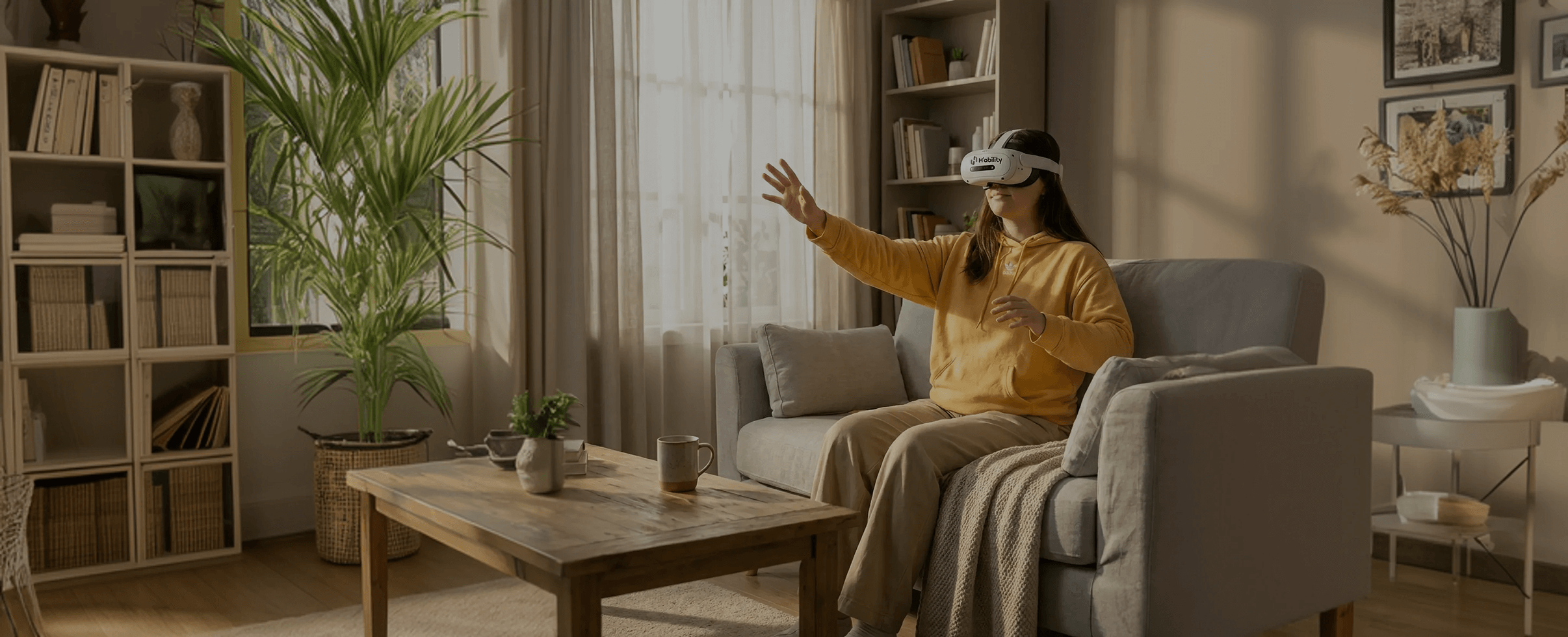
Virtual reality has revolutionized the field of rehabilitation by offering new treatment possibilities for kinesiophobic patients. Through immersive virtual environments, patients can be gradually exposed to physical activities without experiencing any real danger or discomfort.
Virtual reality makes it possible to recreate realistic scenarios in which patients can practice specific movements and exercises. This allows them to overcome their fear of movement gradually, starting with simple tasks and gradually increasing the difficulty. Therapists can also monitor and adjust the settings of the virtual environment in real-time, providing personalized treatment tailored to each patient’s needs.
This technological innovation offers many opportunities to improve the effectiveness and outcomes of rehabilitation for physiophobic patients. It helps to make rehabilitation sessions more engaging, motivating and fun, which helps to strengthen patient participation and adherence to treatment.
Many practical cases have demonstrated the effectiveness of virtual reality in the treatment of kinesiophobia. In a recent study, patients with fear of movement were exposed to virtual environments where they were required to perform physical exercises. The results showed a significant reduction in anxiety and fear in the participants, as well as an improvement in confidence in their physical abilities.
Another practical case highlighted the use of virtual reality in the rehabilitation of patients with chronic low back pain. Patients were immersed in virtual environments where they had to perform specific movements to strengthen their backs. The results showed a decrease in pain and an improvement in physical function in the participants.
These practical cases demonstrate the effectiveness of virtual reality in the treatment of kinesiophobia and open the way to new rehabilitation possibilities for patients who suffer from it.
Virtual reality continues to evolve rapidly and has promising therapeutic potential for the treatment of kinesiophobia. New technological advances make it possible to create increasingly realistic and immersive virtual environments, which opens up new possibilities for treatment and intervention.
Additionally, virtual reality can be combined with other complementary therapies, such as cognitive behavioral therapy, to improve treatment outcomes. This multidisciplinary approach addresses both the physical and psychological aspects of kinesiophobia, providing a comprehensive and holistic approach to rehabilitation.
In the coming years, it is expected that virtual reality will play an increasingly important role in the treatment of kinesiophobia. Researchers continue to explore new applications and develop innovative rehabilitation programs, paving the way for new therapeutic perspectives for kinesiophobic patients.
In conclusion, virtual reality is revolutionizing the treatment of kinesiophobia by offering innovative solutions to overcome the fear of movement, thus improving the quality of life of patients. Feel free to learn more about the H’ability device to find out how this technology can positively transform the treatment of fear of movement.
H’ability is taking a new step in its commitment to ageing well. Through the H’ability Home project, the company is…
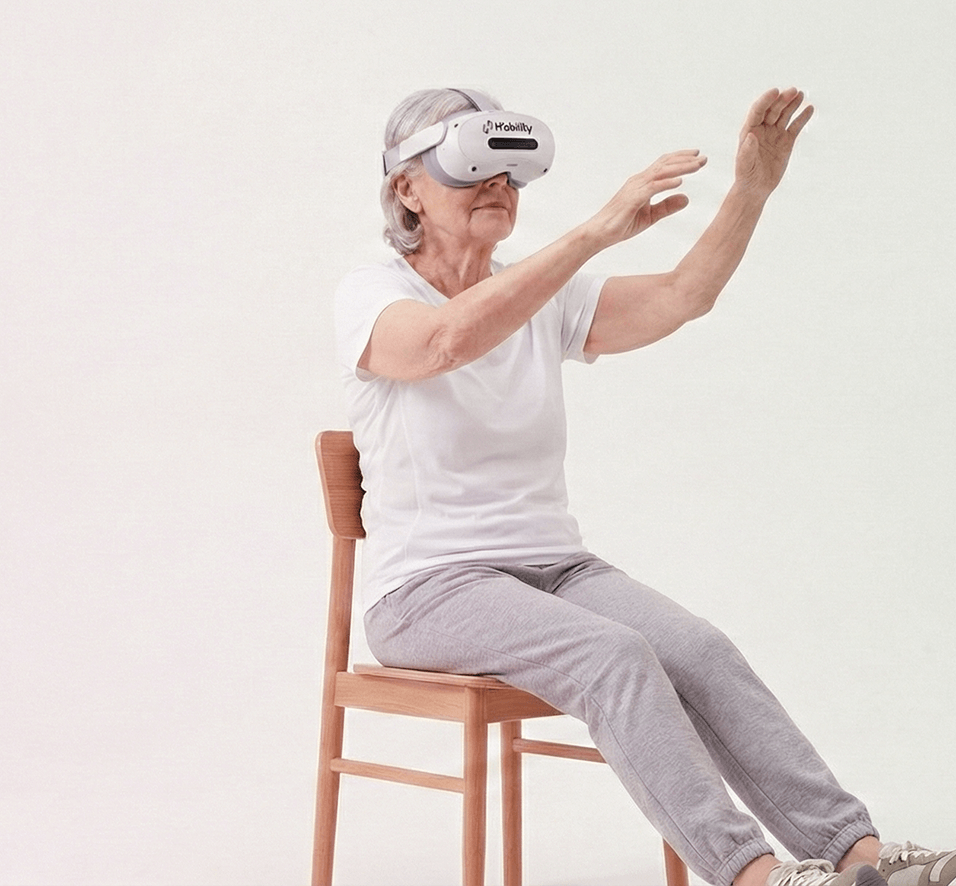
Falls are the leading cause of accidental death among people over the age of 65. Beyond the physical trauma, it…
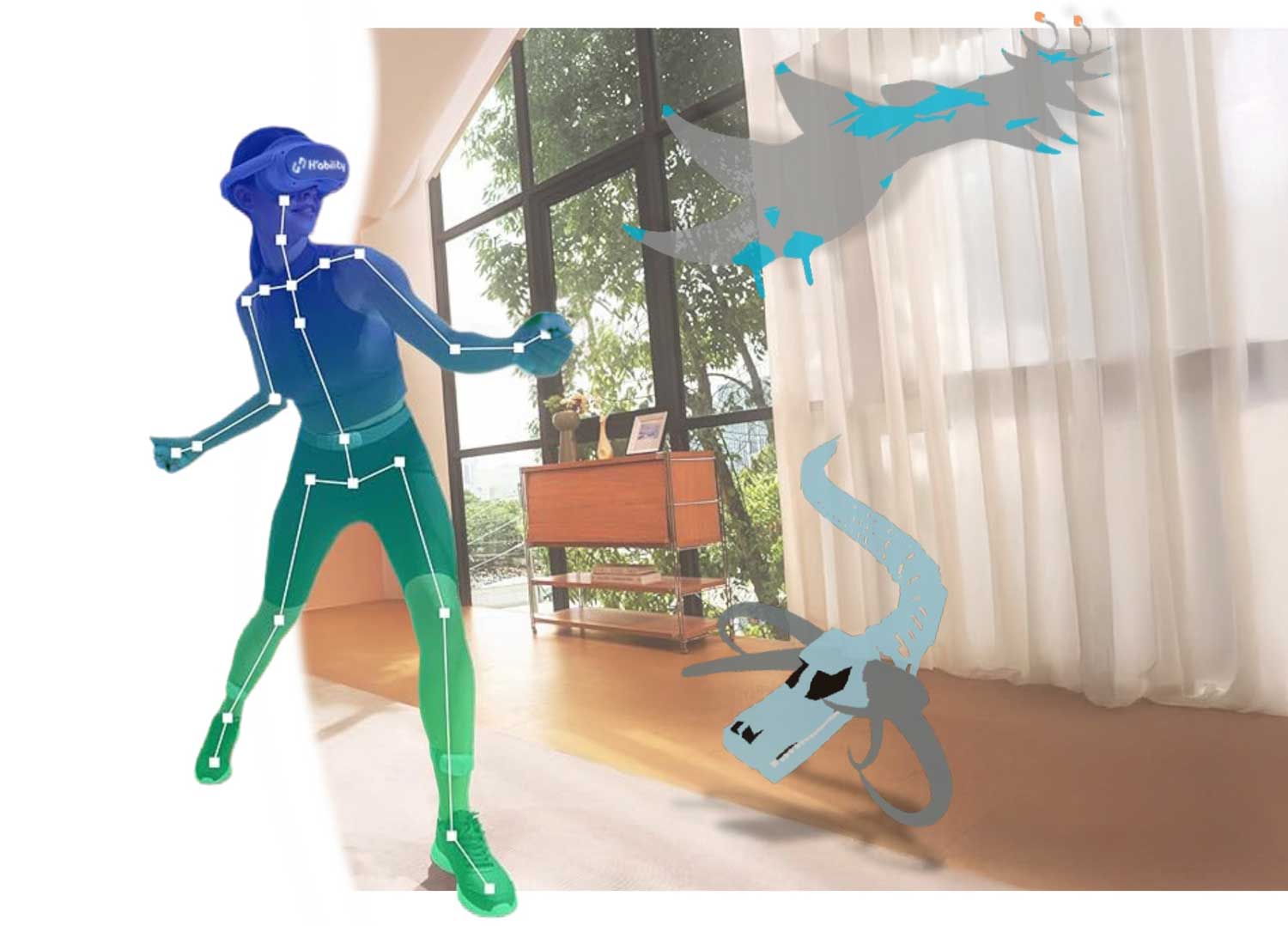
This is another important step for H’ability: home rehabilitation finally becomes a reality with the official launch of H’ability Home.…
Every year in France, stroke affects about 150,000 people and is the leading cause of acquired disability in adults. While…